A marriage certificate stands as a nearly universal symbol of the union between two individuals. Traditionally, this document has almost exclusively represented the formal bond between a man and a woman. However, in recent times, an increasing number of countries and states have begun to recognize and validate same-sex marriages. Consequently, understanding the importance of translating marriage certificates becomes essential when a couple aims to seek employment, academic opportunities, or permanent residency in a foreign nation.
The necessity for translating a marriage certificate arises from a multitude of reasons. Foremost among these is that this legal document of matrimony substantiates the physical and economic relationship between two specific individuals. An accurate translation by a certified translator is the most reliable method to establish the identity of the principal applicant’s spouse in the local language. When officials in a country that speaks a different language require access to a marriage certificate, it becomes almost inevitable that the certificate must be translated into the pertinent official language.
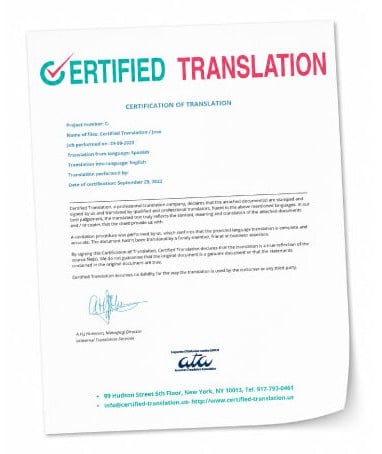
The translation of a marriage certificate is imperative due to legal requirements for various official matters. A precise rendition of the original certificate, often facilitated by a marriage certificate translation template, ensures adherence to stringent quality control standards. This typically involves the specialized skills of a notary public and aims to produce official translations that meet the necessary certification criteria. This process guarantees the seamless updating of public records and compliance with mandated delivery timelines.
Moreover, translating marriage certificates may be essential for a variety of administrative purposes. These include registering for civil status, determining taxation obligations, accessing healthcare services, navigating immigration processes, and securing welfare benefits in the destination country, particularly in nations like the United States.
In summary, the translation of marriage certificates plays a crucial role in maintaining legal and bureaucratic continuity when couples cross international borders for personal or professional reasons. Whether it is for validating marital status, ensuring eligibility for various benefits, or fulfilling legal obligations, the importance of translating this critical document cannot be overstated. This indispensable task underpins the smooth integration of couples into new societal frameworks, facilitating their access to rights and privileges in their new environment. Consequently, the translation of marriage certificates becomes a cornerstone for couples navigating the complexities of international relocation and settling into new cultures and legal systems.
Furthermore, this translation is not merely a procedural formality but a vital step in ensuring that couples can fully exercise their rights and enjoy the same protections and benefits in a foreign country as they would in their home country. It underscores the importance of meticulous attention to detail and cultural sensitivity in the translation process, as any errors or omissions could lead to significant legal and personal repercussions. Therefore, the role of certified translators and notary publics in this process is indispensable, ensuring that the translated documents are both accurate and legally recognized.